2026 Veterinary Pricing: How Recent Data Affects Price Increases
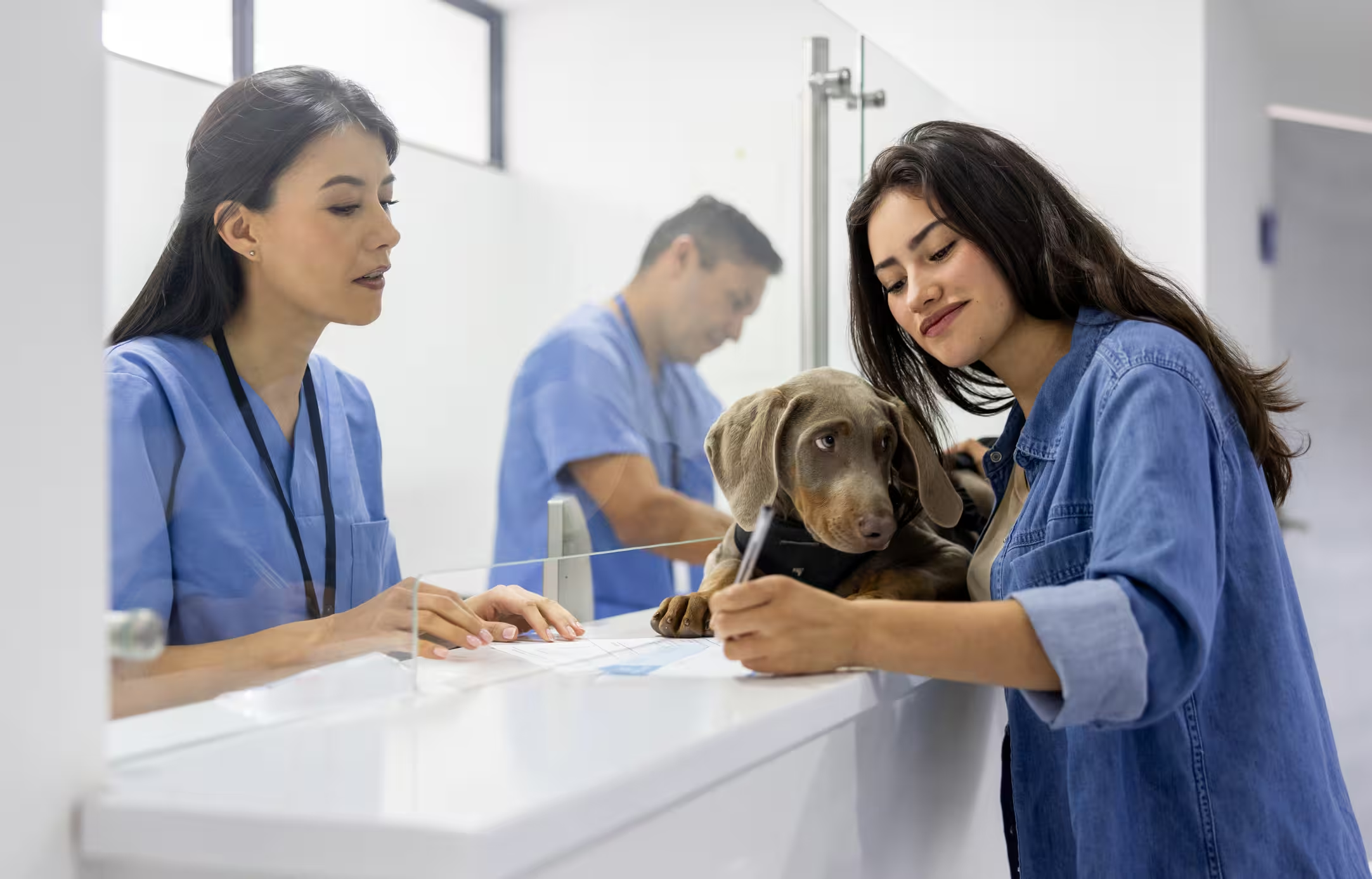
Veterinary practices, like many businesses, have traditionally relied on price increases to cover the rising costs of providing care. However, a recent Vetsource white paper shows that companion animal visits in the U.S. fell 3% in 2025 — the third year in a row the industry has seen declining patient volume despite modest revenue growth.
Similarly, a Brakke Consulting analysis of the 2025 veterinary market found that U.S. veterinary practice revenue increased by roughly 2.5% on average, while visits dropped by approximately 3%, with price increases accounting for revenue growth.
As veterinary prices rise, clients use tactics like delaying wellness care, stretching intervals between visits, and declining recommended care to save money. Lower-income areas have higher rates of lapsing clients, showing a direct connection between affordability and client behavior.
“The biggest driver of declining visits is the increase in the cost of care,” said Sheri Gilmartin, vice president of sales for Vetsource, a provider of prescription management and home delivery services. “Veterinary inflation has significantly outpaced core inflation for the past four years. While there are extenuating circumstances, the outsized increase in the cost of veterinary care has become a deterrent for pet owners, particularly if the increased cost is in the absence of value.”
Veterinary pricing has reached a tipping point. While practices can’t ignore the rising costs of labor, supplies, and overhead, it’s time to acknowledge that price increases can’t bear the load alone. Here’s a summary of current industry data and how you can use it to create a balanced, sustainable veterinary pricing strategy in 2026.
What does the latest data say?
According to the Vetsource whitepaper, veterinary practices raised prices by an average of 6.57% for services from 2024 to 2025, but revenue grew by only 5.4%, likely due to a decrease in patient visits. The decline in the number of visits varied by type:
- Wellness visits dropped by 3.8%
- Product-only visits fell by 6.2%
- Surgery visits declined by 6%
However, sick visits increased slightly, suggesting that although pet owners put off preventive and elective care, they prioritize care when their pets become ill. In the Brakke survey, 81% of veterinarians said clients seemed more cost-sensitive in 2025 than the prior year, noting they frequently declined nonessential diagnostics, procedures, and preventive care.
Why pricing strategy isn’t enough
Veterinary prices have risen faster than inflation for several years in a row, and as fees climb, pet owners must adjust their household budgets. The Vetsource white paper shows that lower-income areas have higher rates of lapsing patients. Across-the-board price increases may address short-term cost pressures on the clinic, but they may also push some pet owners out of the practice altogether.
A better strategy may be to selectively increase veterinary pricing in some areas, while keeping costs consistent in others. Practices that minimized price increases for wellness services and parasiticides fared better than those with larger increases, showing that these “entry-level” services can be a gateway to better care and higher revenue.
“A visit to your veterinary practice should not feel transactional,” said Gilmartin. “It should feel personalized, with a two-way dialogue and options so owners don't feel like it's all-or-nothing. If they feel like you are their partner in caring for their pet—aligning the knowledge and experience of the veterinary team with the expectations and abilities of the pet owner—the loyalty will come back.”
Value-based veterinary pricing
Practices should take a closer look at the nuances of their pricing strategy, noting where lower prices can improve access to care (e.g., exams, vaccines, preventives) and where higher prices can reflect greater value (e.g., procedures, specialty visits, convenience services). Higher prices on entry-level services can lead to less-frequent visits. However, because pet owners expect a wider range of prices for skilled or convenience services, these services offer more room for flexible pricing.
According to Brakke research, targeted adjustments based on cost structure, price sensitivity, and local benchmarks serve practices better than uniform hikes. And, according to Vetsource, anytime veterinary pricing changes, clients need to understand what they are paying for and why. Itemized estimates, written treatment plans, and plain-language explanations can help connect fees to outcomes and long-term savings.
Client bonding and loyalty
Pricing isn’t the only thing clients consider when determining when, if, and where their pet will receive care. Practices with high visit growth and fewer lapsing clients employed more veterinarians and offered more daily DVM and technician appointments. Essentially, clinics that made it easier to get an appointment and spend more time with the veterinary team booked more visits.
“Practices need to focus on the customer experience and rebuilding trust,” said Gilmartin. “It’s about meeting the client where they are—removing friction, strengthening communication, and aligning with their expectations and needs.”
Home delivery, client-facing apps, and the use of practice performance reports were also associated with lower lapsing patient rates. Automated reminders, online booking, and the use of multiple communication channels can help keep pet owners on track with preventive care. Additionally, personalized, convenient care can help keep clients bonded to the practice over time.
Practical steps for creating a 2026 veterinary pricing plan
You can turn the latest industry data into an action plan for your veterinary practice in 2026. Here are some things to consider:
- Review price history: Look at the last few years of pricing for routine services, such as wellness exams, vaccines, preventive care, and common medications. Do any of these prices seem high compared with local benchmarks or with the level of service you provide?
- Find pressure points: Pull reports from your cloud-based PIMS on visit types and common purchases to see where you’ve seen an increase or decline, then consider adjusting prices to match income levels in your area.
- Refocus on preventive visits: Talk with clients about how regular exams, vaccines, and early diagnostic testing protect pet health and help prevent higher long-term costs. You can also consider offering wellness plans and flexible payment options.
- Make it easy: Encourage visits by making each step of the process easier. Use automated reminders, online booking, and convenient appointment times to schedule routine care.
Discuss costs: Discuss estimates and treatment plans openly, inviting questions from clients so that you can explain value and collaboratively decide on a plan moving forward.
Establishing value with Provet
Veterinary pricing is under more scrutiny than it has been in years, and the latest data make it clear that across-the-board fee increases are not a long-term solution. Practices that protect access to wellness and preventive care, use targeted pricing adjustments, and make efforts to communicate and bond with clients can encourage more visits during challenging economic times.
Cloud-based veterinary practice management software like Provet gives teams access to the tools they need to improve access to care, including reporting features to understand current trends, time-saving AI tools to improve staffing efficiency and appointment availability, and client convenience features like online booking and digital communications.
To see how our software fits into your 2026 pricing and client-experience strategy, book a demo with our team.
Key takeaways
- Veterinary practices can no longer rely on broad price increases to cover rising costs when those increases contribute to a trend of fewer visits.
- Teams should focus on keeping wellness and preventive services affordable, selectively adjusting prices on advanced or convenience services, and explaining changes to clients.
- Long-term practice health depends as much on client experience, access to care, and client loyalty as on veterinary pricing decisions.
Related articles

The CMA Vet Investigation: Thoughts From UK and US Veterinarians
September 3, 2026
A Practical Guide to Vet Payment Processing for Busy Clinics
September 3, 2026

Veterinary Booking Software: How to Fill Your Calendar and Cut No-Shows
September 3, 2026