How Hospital Veterinari Desvern built a connected hospital with Provet
"We are slowly creating a system with Provet at the centre, and we attach different tools that add something useful." - Carolina Sadurní, Hospital Director, Hospital Veterinari Desvern
Hospital Veterinari Desvern is a 24/7 referral hospital in Catalonia, Spain, specializing in orthopedics and oncology for cats and dogs. Around 20 people work at the hospital, half of them veterinarians, and the team handles roughly 400 patients a month. In March 2023 the hospital replaced the practice management software it had used for over 25 years with Provet, the all-in-one veterinary PIMS.
The driving force for this system overhaul was Carolina Sadurní who joined first as a Veterinarian in 2020 and moved into management in June 2022. Carolina’s ambition was to run the hospital as one connected system. First she needed a strong PIMS foundation to build on.
The 1996 system had become an archive
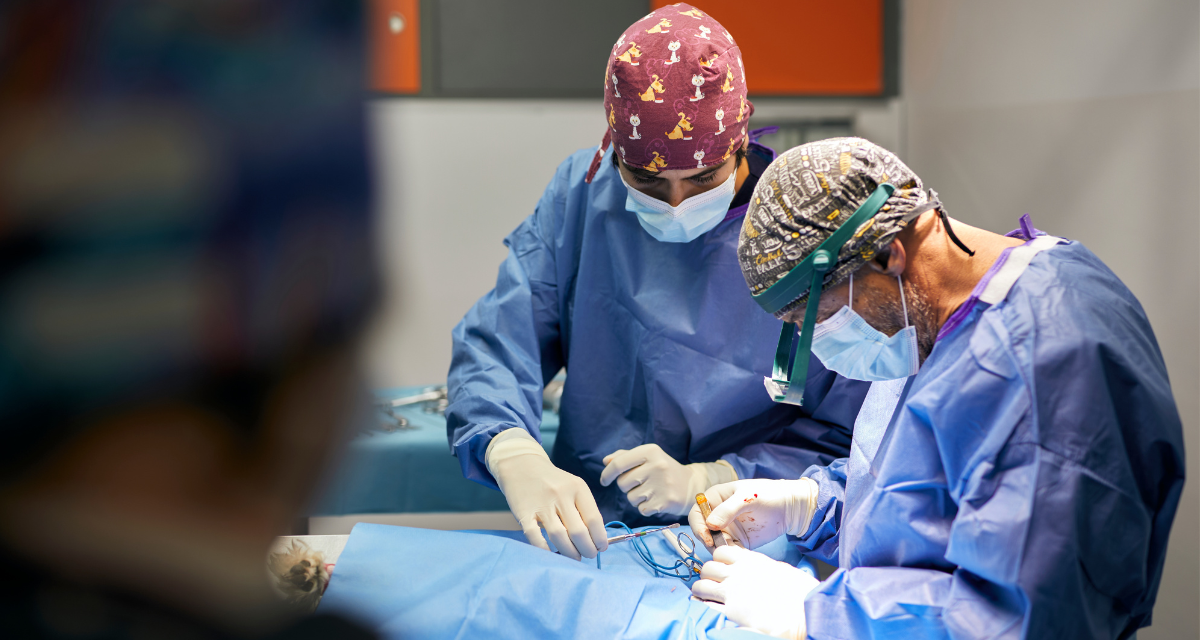
The hospital had run the same software since it opened. By the time Carolina took over management, it was obsolete. It worked like a single sheet. Consultations were not separated from one another, there were no real clinical tools, and it served mostly as a place to store records. "It was an archive," she said. It held information but it could not tell her what exactly was happening in the business.
That was the core problem. Carolina wanted to run the hospital on data, and she was acutely focused on business intelligence: the numbers, reporting and insight a hospital this busy needs to make decisions. The old system gave her none of it. Getting anything useful out of it meant manual workarounds.
The gaps went well beyond reporting. Inpatient care, the heart of a referral hospital, had no real home in the old system, so it lived in a separate tool that did not connect to anything else. Payments were their own problem. Transactions in the software did not match the bank, and someone had to reconcile them by hand. "We had a lot of discrepancies and we had to check it manually, which was a nightmare," she said.
Even writing up a case was heavy going. Building one client report meant pulling x-ray images and lab results out of other systems, emailing files to yourself, downloading them again, and running low on computer space along the way. "It was just a mess," she said.
Why Hospital Veterinari Desvern chose Provet
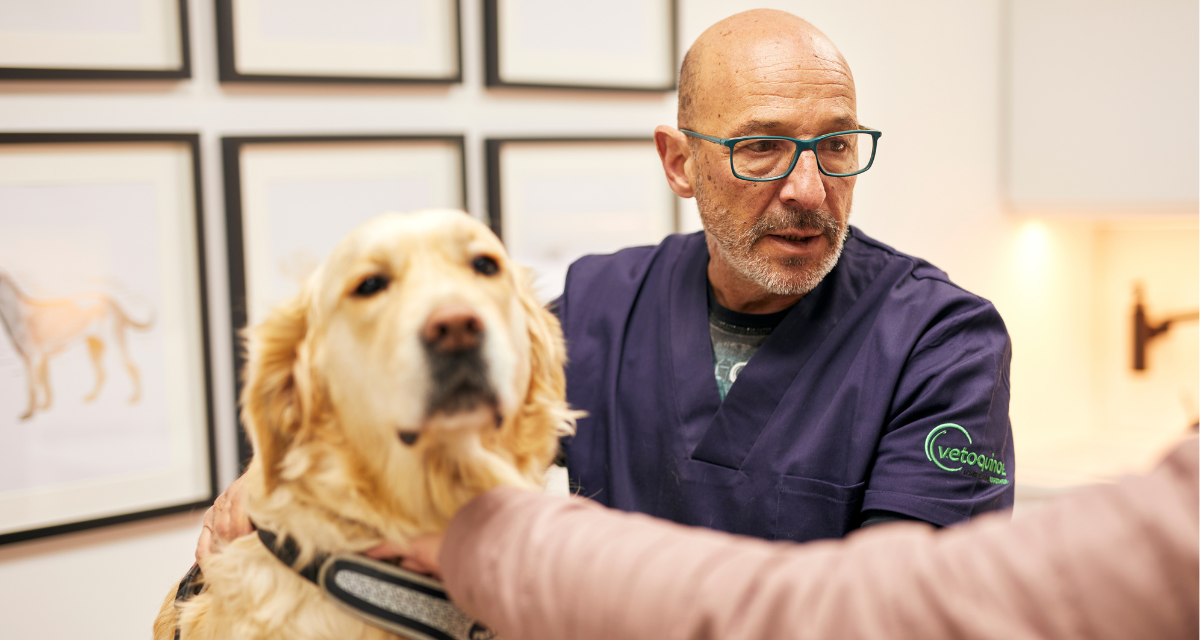
Carolina looked hard at the Spanish PIMS options available and kept coming back to Provet. She wanted three things: real reporting and business intelligence, inpatient management built in, and the freedom to connect the other tools the hospital relied on. Provet offered all three. It was also the only option she found in Spain that offered that level of openness through an API. Switching PIMS was not something she wanted to do twice. She trusted the product would be invested in and continuously improved. "Provet is super easy to use. It's just intuitive. Even if you don't know how to use the software, you know where to find something, because it's logical," she said.
The everyday details mattered too. Health plans, discounts and payment options could be set up the way the hospital already worked, and inventory was finally under control.
When it came to migrating, every record moved across cleanly from the old system. "We migrated all the data, and nothing was lost," Carolina said. The hospital kept the old software running as a backup in case something slipped through but never needed it. Provet’s implementation specialist spent a week on site, then ran training sessions for reception, assistants and veterinarians. "It's the first change of software in my life that was really, really smooth," she said. Setting up concepts, groups and prices took some time but it doubled as an opportunity to reorganize how the whole hospital worked.
What changed day to day
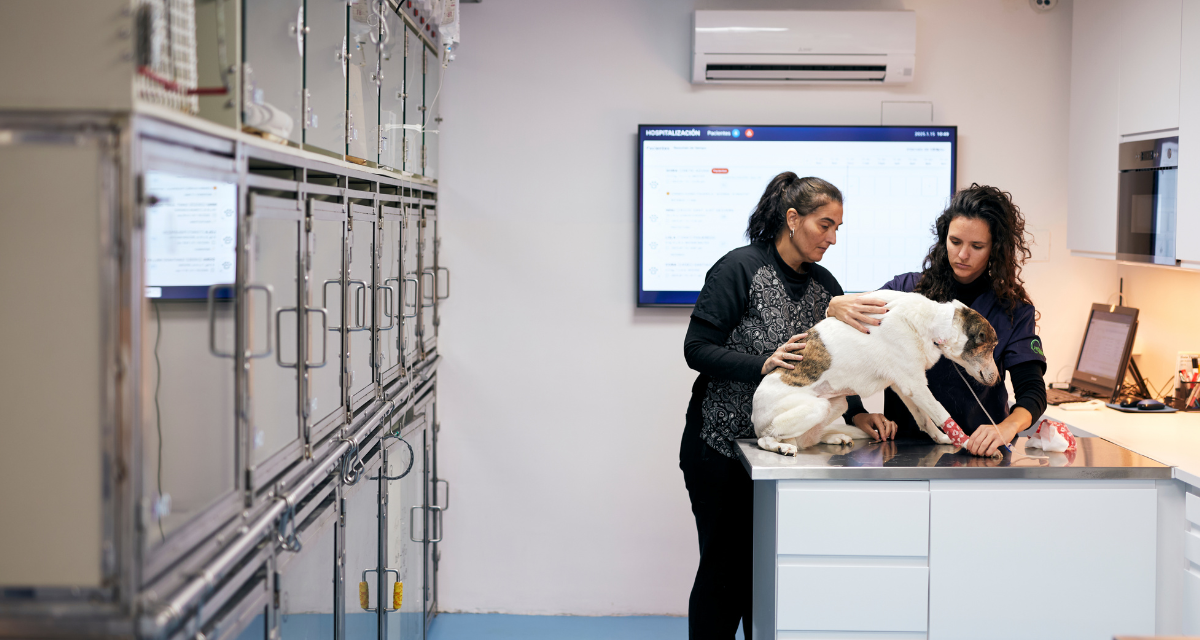
The clearest change is time. Writing up a consultation used to take around 15 minutes, plus another eight minutes for the report. 23 minutes total, per patient. With Provet's AI Scribe drafting notes as the consultation happens, it now takes around five minutes. A cut of around 78%. Documentation happens with the patient, not late into the evening. The team still checks every note but they spend far less time at the keyboard.
Patient History Summaries give veterinarians a quick read on a case before it comes in, which is useful if the treating veterinarian has not met the patient before. The way the hospital handles payments has improved too. With Provet Pay, reconciliation is automatic and the daily discrepancies are gone, apart from cash. The tool the team once needed to match transactions to the bank is no longer needed. Pay-by-link has become part of how the team works. Telling a client "I'm going to send you the link for you to pay" is now normal when an animal needs to stay longer or have another test.
The open platform and integrations are where Carolina has gone the furthest. "We are slowly creating a system with Provet at the centre, and we attach the different tools that add something useful," she said. Smart banking and accounting software connect through the open API, so the tools the team depends on talk to each other instead of sitting in separate silos. The effect across all of this is quieter, steadier days. "We work better, we work more relaxed, and you can feel it in the air."
Doing more without adding space or staff
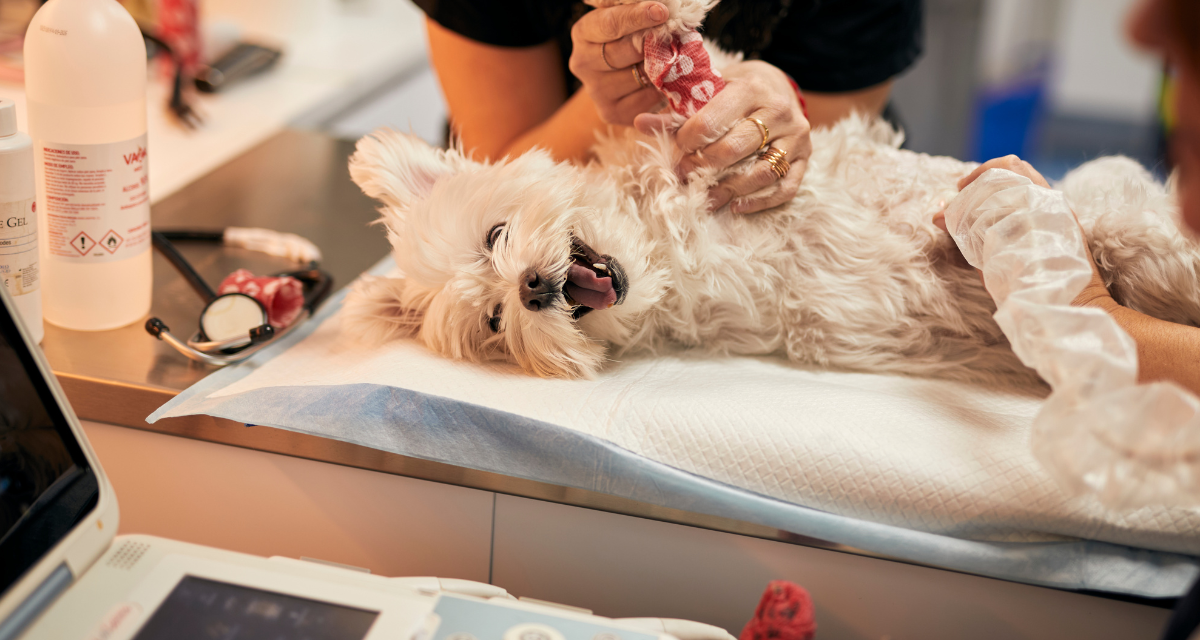
Carolina is not done. A study of the hospital's incoming calls showed most were routine: booking, rescheduling, or chasing a report. So the team is moving more clients to online booking, where they can change or cancel appointments themselves. Moreover, Carolina is exploring a new email and messaging integration, plus trialing an AI calling agent, to take more of the load off the front desk.
Telemedicine is also on the cards. The hospital already runs online consultations for clients who want them, taking payment through a Provet Pay link before the session starts. Human medicine already works this way, and Carolina expects pet care to follow once clients see the value.
None of these ambitions need a bigger building or a longer payroll. Carolina knows the hospital can do more by working smarter. As it takes on more clients, an open platform that keeps developing is what lets the hospital keep growing. For Carolina, it comes back to something simple. "Having a PIMS that supports you helps you to work better, and the fact that you work better also translates to a happier customer," she says. "And we've already seen that.
Want to see what Provet could do for your hospital? Book a demo.
FAQs
Why did Hospital Veterinari Desvern switch to Provet?
Its original 1996 software could not provide the reporting, inpatient management or integrations the hospital needed, so it moved to Provet in March 2023.
How much has Provet reduced documentation time?
Writing up a consultation and report has dropped from around 23 minutes to five minutes using AI Scribe.
Does Provet connect to other software a clinic already uses?
Yes. Hospital Veterinari Desvern connects its banking and accounting tools to Provet through the open API.
How long did the move from the old system take?
The hospital went live after a one-week on-site implementation, with all records migrated and nothing lost.
Key takeaways
- Documentation time cut by around 78% using AI Scribe.
- 400 patients a month handled by a team of around 20, half of them veterinarians.
- Every record migrated from a 1996 system with nothing lost, after a one-week implementation.
- Payment reconciliation discrepancies gone, apart from cash, with automatic reconciliation in Provet Pay.
- Banking and accounting tools connected through Provet's open API, with the hospital's wider system built around it.
Related case studies
How James Street Vets Spends Less Time on Reporting with Ask Provet
How an Open API Won Broadway Veterinary Group over to Provet