Veterinary Medical Records Software: What is Veterinary EMR?

Veterinary records software terminology can confuse the average veterinary buyer. EMR, EHR, and PIMS are often used interchangeably, but each has subtle definitional differences. And when it comes to medical records systems and medical charting capabilities, you may not realize what's missing until it's too late and you’ve already signed a contract.
Understanding the distinctions between electronic medical records, electronic health records, and veterinary practice management software will help you ask the right questions and make a better-informed decision when shopping for new software for your veterinary practice.
What is veterinary medical records software?
Veterinary medical records software is technology that provides a digital storage and workspace for medical charting and other clinical documentation, such as patient histories, SOAP notes, diagnoses, lab results, prescriptions, and treatment records.
In a veterinary setting, the electronic medical record (EMR) is usually part of a larger practice management software system (PIMS). You may also encounter the term electronic health record (EHR), which sounds similar to EMR. However, it means something slightly different because it carries over from the human medical realm.
Here's a quick breakdown:
Provet is an all-in-one veterinary PIMS. The EMR (your clinical charting) is built in, so you don’t need to buy it separately.
Veterinary EMR software vs. a PIMS
Most veterinary teams use PIMS systems with a built-in electronic medical record, so you don’t need to buy it separately. The EMR is the clinical charting portion of a broader PIMS. One company may describe a fully operational veterinary PIMS as “EMR software,” while another may be referring only to the medical charting component.
EMR vs. EHR in veterinary medicine
EHR is a human medical term designed to target interoperability in healthcare. Human medical providers have a standardized medical coding system, but record-keeping isn’t standardized. A person can have many separate charts as they see multiple providers over a lifetime, and those providers need a way to share and centralize these records.
The U.S. government has invested in a push toward EHRs, systems defined by their interoperability across organizations, insurers, and care settings. However, veterinary medicine has no equivalent mandate, so EHR is an uncommonly used term. Most veterinary software qualifies as an EMR rather than a veterinary EHR, because teams at different practices typically can't access or exchange each other's patient data.
Without a national standard, sharing records comes down to your software. An open API and 100% data ownership mean your records can move with you.
"We couldn't afford any downtime. Provet allowed us to continue seeing patients and managing appointments without interruption. We stayed fully operational the entire time." – Jennifer Pack, Practice Manager, Warrington Veterinary Clinic, U.S.
What problems does outdated or paper-based record keeping cause?
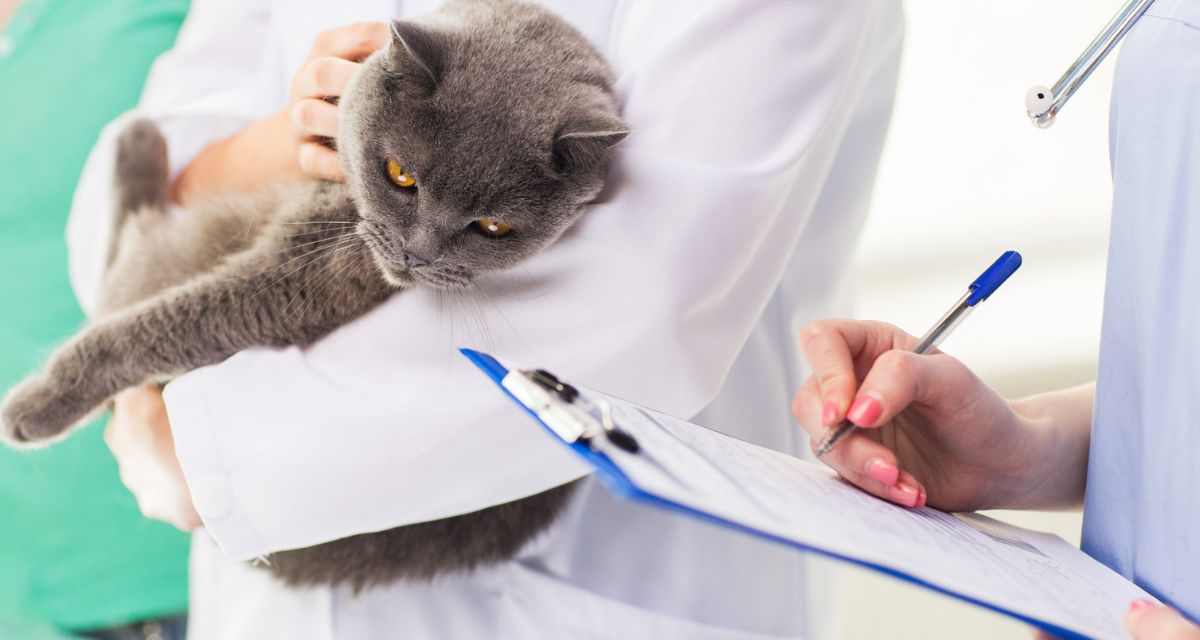
Practices still using paper records or hybrid systems may face recurring problems with missed charges and lost revenue, incomplete patient records, and too much time spent on charting—often outside of normal hours.
Incomplete records, billing, and charge capture
If something doesn't make it into the record, it likely won't make it onto the invoice either. In one study of equine practices, entering charges after a visit resulted in 15% to 36% lower invoices due to forgotten charges, depending on how long after the visit charges were entered. The busier the day, the more likely something is to get missed.
After-hours charting
Many veterinarians finish medical notes between appointments, over breaks, or after their last patient of the day leaves. A 2024-2025 survey of European veterinarians found an alarming trend in administrative workload: 64% of respondents said their administrative burden had doubled in recent years, and more than half of that additional work went unpaid.
Most veterinary PIMS were originally designed around billing and transaction processing, with clinical documentation sections added later. Provet’s AI Scribe can help by generating clinical notes during a consultation, but many legacy systems are poorly designed for this purpose.
“We want the staff concentrating on looking after the animals, not updating all of our admin at the end of the day. If we can give them time back and actually get more done in that time…that’s the goldmine. That’s the real win.” – Ceri Bower, Digital Project Manager at RSPCA (UK)
What should veterinary medical records software include?
Here’s what to look for if you’re shopping for a new PIMS with better veterinary medical records software.
Structured SOAP notes and clinical templates
Consistent EMR formatting makes records easier to read, search, and hand off between team members. Look for a system with customizable SOAP note templates you can adapt to different appointment types, species, or specialties. Standardized templates keep records organized and consistent, helping with continuity of care across multiple clinicians or relief providers.
Fast, searchable patient history
Older patients and those with chronic conditions can accumulate a large collection of medical notes and diagnostic reports. Good vet records software includes built-in or AI-assisted search so that you can find important information quickly. Some systems now include AI-generated patient summaries that pull together key details from the full medical history into a brief overview.
AI-assisted documentation
AI scribes are changing the clinical documentation game for veterinary teams. An AI scribe listens during patient visits, generates clinical notes and SOAP entries, and automatically records vitals, diagnoses, and billable items. Veterinarians who use AI scribes report spending less time on after-hours charting, and practices report fewer missed charges because of automated charge capture.
Integration with labs, imaging, and payments
Well-integrated lab, imaging, and payment platforms allow for automatic data transfer between the main PIMS and these other tools. This eliminates manual entry, a source of frustration and error among many team members. Look specifically for two-way lab integration, which lets you order tests from within the PIMS and receive results back in the patient chart.
Data security and compliance
While HIPAA human privacy laws don’t apply to veterinary practices, many US states have laws governing veterinary record confidentiality. Additionally, it's important to protect practice, client, and patient data from hackers or bad actors who may use it for financial gain.
Look for a PIMS with role-based access controls, multi-factor authentication, audit trails, and compliance with GDPR and voluntary or required standards, such as ISO 27001, or SOC 2 Type II.
Access across devices and locations
A cloud-based PIMS gives your team access to records from any browser-enabled device, an important feature for multi-location groups, mobile practices, and anyone working flexible or hybrid schedules. Look for software with documented minimal downtime and mobile-friendly interfaces.
“Things like dispensing fees, injection fees, lab fees - all go onto the invoice automatically. Fewer things are missed, which is a massive benefit.” – Sophie Bett, Veterinarian, James Street Vets
How do you migrate patient records to a new veterinary EMR?
Moving records from one system to another can be stressful. Data rarely transfers perfectly between platforms, but knowing what to expect can make the process easier and help you avoid surprises.
Before committing to a new EMR system, find out exactly what transferring data from your old system involves, which may differ from what the vendor has handled before. If you aren’t getting the answers you need, or your vendor can’t provide the support needed for a smooth transition, consider partnering with a different company or product.
Most vendors offer implementation support during the transition, but the level of hands-on help varies widely. Ask about the implementation timeline, what your team will be responsible for versus the support team, and whether there are additional fees for data migration beyond the base subscription.
Data migration decisions
When you start using new veterinary medical records software, you’ll need a database of recent patient records, active client information, current inventory, and pricing data to get your new workflows up and running.
Migrating many years of legacy records can be complex but you may not need to keep all of these files in their current format. You can archive records of deceased or inactive patients that outdate state-mandated retention requirements as read-only files or attachments to reduce cost and complexity and start with a clean slate.
"Provet is super easy to use. It's just intuitive. Even if you don't know how to use the software, you know where to find something, because it's logical. We migrated all the data, and nothing was lost. It's the first change of software in my life that was really, really smooth." –Carolina Sadurní, hospital director at Hospital Veterinari Desvern (Spain)
How do you choose the best veterinary medical records software?

Most veterinary practices already have a PIMS, electronic medical record, and workflows built around them. Switching to a new system comes with a cost, requiring time, money, and schedule disruption, so it’s not a decision to take lightly. You want to find the best EMR for your clinic’s current and future needs.
Start by identifying which workflows are truly working for you and where your team loses time and energy during the day. Are they staying after hours to chart, providing suboptimal patient care because of confusing or lengthy records, struggling to take breaks because of inefficient appointment processes, or making too many invoice mistakes? Identifying friction points will help you decide which features matter most for your practice.
Questions to ask a vendor before switching
Once you’ve narrowed down your preferred software platforms and vendors, you’ll need to dig deeper into the details. Here are a few things to ask a software vendor about a new EMR or PIMS:
- What's included in the base subscription, and what costs extra?
- How does AI-assisted documentation work? Is it built into the PIMS, or is it a separate product?
- Does the software support high-level agentic AI or automation?
- Can we customize clinical templates to suit clinician preferences?
- What does data migration look like, and is there an additional fee?
- How do you support veterinary clinics during and after implementation?
- Can we export our data in a usable format if we leave?
- What does the cancellation process look like, and are there auto-renewal clauses?
- Is our data secure? Who owns it, and how is it stored?
- Does the company hold any special security certifications?
"If somebody is looking to become more efficient in all aspects of veterinary practice management software, you should consider Provet. We're definitely seeing the results now." –Sue Towers, practice manager of Milestone Veterinary Clinic (UK)
The all-in-one PIMS with EMR built-in
Choosing veterinary medical records software is easier once you know what to look for and what questions to ask. Provet is the all-in-one veterinary PIMS built for AI Agents. Clinical documentation, AI Scribe, and your operational tools live in one workspace, so your team spends less time on records and more time with patients. With an open API, 150+ integrations, and 100% data ownership, your records connect to the tools you already use and stay yours.
Book a demo to see how it can work for your practice and find out whether it's the right fit for your team.
Frequently Asked Questions
Related articles
Multi-Location Vet Practice Software: Features, Costs, and How to Choose
October 2, 2026

The CMA Vet Investigation: Thoughts From UK and US Veterinarians
September 3, 2026
A Practical Guide to Vet Payment Processing for Busy Clinics
September 3, 2026